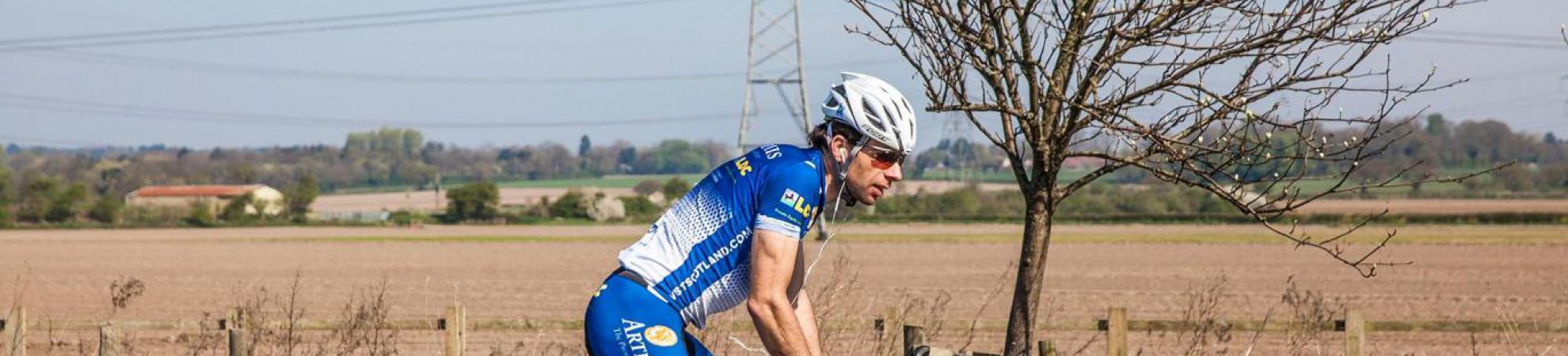
Scottish cyclist Mark Beaumont has just broken the world record for cycling around the world. He did so in an incredible 79 days.
The 34-year old cycled a 29,00km (18,000 miles) route through Europe, Russia, Mongolia and China, across Australia, up through New Zealand and across North America before the final push through Portugal, Spain and France. He did so in exactly 78 days, 14 hours and 14 minutes.
Cycling on average 240 miles a day, Beaumont broke the current record of 123 days (set by New Zealander Andrew Nicholson) by an astonishing 44 days. He cycled 16 hour days, sleeping for just five hours a night before getting back on the bike and doing it all again.
He broke another record in the meantime, the Guinness World Record for the most miles cycled in a month, at 11,315km (7,031 miles).
Around the world in 78 Days, 14 Hrs, 40 mins! 18,000 miles, through 16 countries and 2 new World Records! Amazing @MrMarkBeaumont! #80days pic.twitter.com/ztpY0zMTCH
— 80 DAYS (@eighty_days) September 19, 2017
He beat even Phileas Fogg, in an ode to the French writer Jules Verne book Around the World in 80 days. This time around, Mark had a support team with him which consisted of a mechanic, nutritionist, physiotherapist and manager.
“The success of cycling around the world in 80 days shows that what seemed impossible is possible and has redefined the limits of endurance sport,” says Mark.
“Ultimately, the magic ingredient that you need to be able to do something like this is grit, just the ability to suffer.”
“Physically, of course, I’m incredibly sore but what you learn very quickly is there’s a big difference between hurting and being injured. I’m not injured, although it will take time for the body to recover.”
Beaumont’s feat raises much-needed funds for Orkidstudio, a charity which works to bring about social change through innovative architecture and construction.