The Arc of Attrition is the UTMB World Series race that takes place every year in January. This year, Outsider travelled over to it, to document the experience and for Matt to try his hand at a longer trail race.
Every runner has a distance that calls to them.
For some, it’s the sharp brutality of the 5k. For others, it’s the quiet suffering of the marathon. For me, it has always been the trails.
Unlike many runners who came through school athletics, track teams, and cross-country squads, my relationship with running began somewhere less structured. It started on trails. Mud, hills, rocks, and long days in the mountains where splits didn’t matter and nobody was asking about your 5k personal best.
That freedom was what made trail running so appealing in the first place. You could run by feel. You could disappear into the hills for hours and come back with nothing more than tired legs and a good story.
But over the past year, a question has been quietly forming in the back of my mind.
What if the distance I’m best suited to is one I haven’t tried yet?
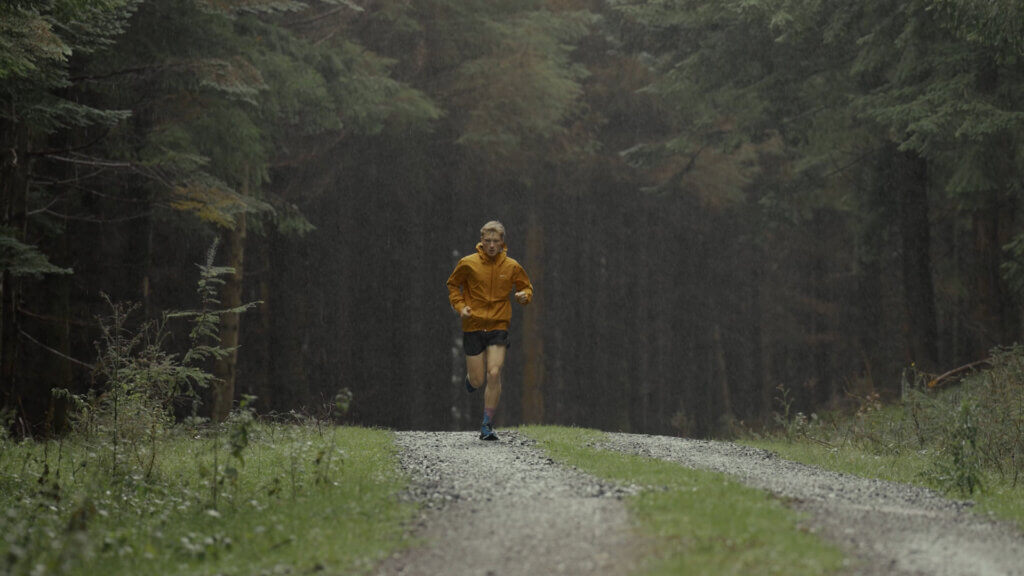
For a long time, I carried a quiet insecurity about my place in the sport. Trail running had given me incredible opportunities, racing internationally, travelling, and meeting athletes I admired, but I never had the shiny numbers that often define runners. No standout 5k time. No track pedigree.
At the sharp end of modern trail racing, speed matters more than ever, and that reality became obvious at the World Championships in 2025. The pace in the shorter mountain races is relentless. The front of the field moves with a kind of efficiency that leaves very little room for hesitation.
Watching that unfold made me realise something about myself. I’m not necessarily a fast-twitch athlete built for explosive racing. I’m potentially more suited to grinding, settling into effort and spending hours moving through mountains.
This curiosity led me to a new idea. Maybe the sweet spot isn’t shorter mountain races at all. Maybe it’s the races that sit somewhere between trail racing and ultra running, those events that last three to five hours, hovering around marathon or 50k distance.
But there’s only one way to find out
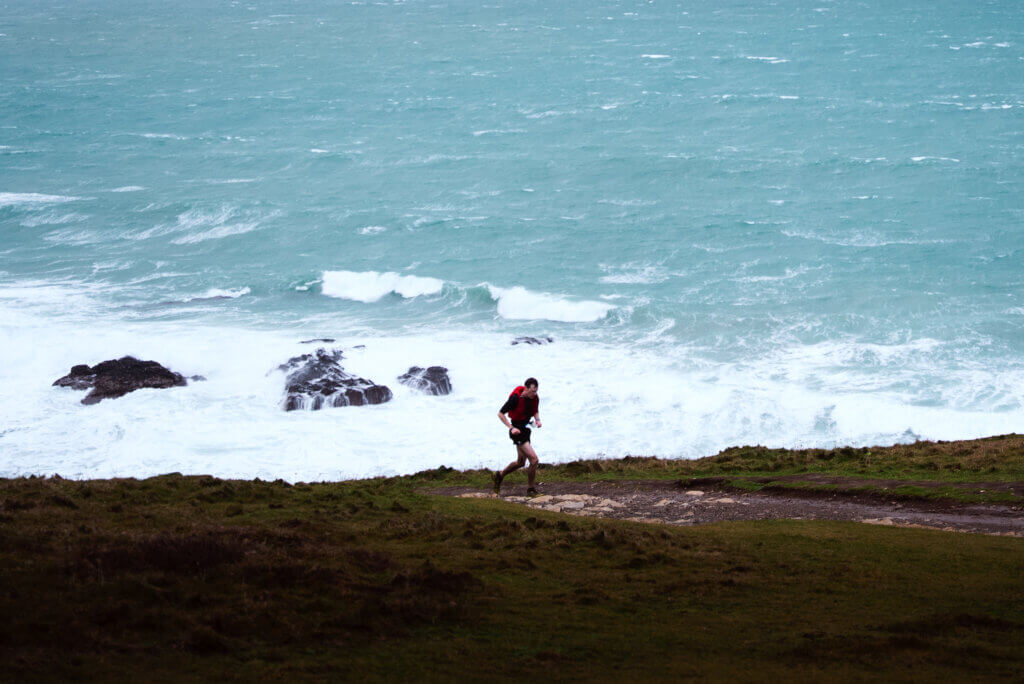
I decided to put my theory to the test. My friend Conall and I rented a camper van and drove down to Cornwall for the Arc of Attrition, a race that is now part of the UTMB World Series, further elevating its profile and attracting top European athletes.
It’s one of those races that commands respect on the calendar. A January start line stacked with serious talent. A brutally beautiful route along the Cornish coastline.
It was also a great excuse to spend time with friends. Several of the Irish runners I train with were racing across different distances, and many of the UK fell runners and mountain runners I’ve come to know over the past few years were on the start line too.
The race began in the coastal town of St Ives, and it started fast. Much faster than I expected. Within seconds, we were blasting through the town streets and onto the coastal path, which for the first few kilometres felt more like a downhill road race than a trail run. The opening section was surprisingly runnable, and the front group pushed the pace relentlessly.
I tried to stay with them. For a while, I did. But somewhere around the 10km mark, it became clear the pace was unsustainable. The elastic started to stretch. I settled into running alongside British athlete Tim Lamount as we worked through the following miles toward the first aid station.
Eventually, he began to pull away, and the race turned inward.
That’s often the moment trail racing becomes most honest. No pack. No distractions. Just you and the effort.
The course changed character as the race progressed. Long sections of sand dunes appeared, where the ground constantly shifted beneath your feet. Running on compacted sand drains the legs in a way that’s difficult to describe, every step slightly unstable, every climb more taxing than it should be.
Then came the coastal cliffs. Muddy trails. Narrow paths. Endless short climbs.
By this point, I knew I had burned a few matches early in the race, and the focus became simple: stay controlled and whatever you do….
Don’t blow up.
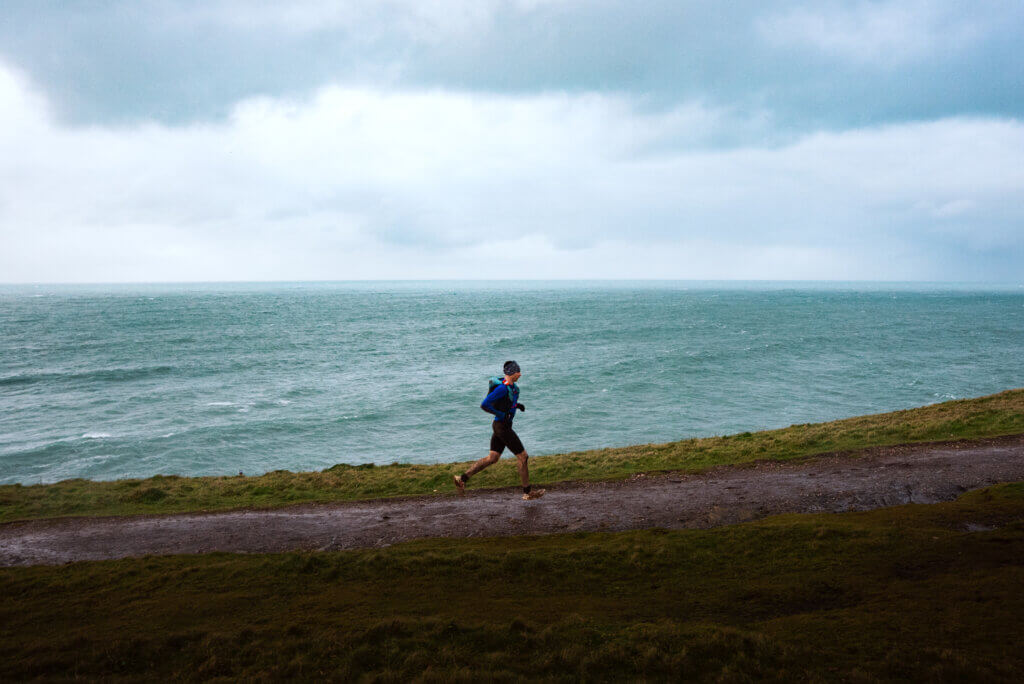
The final 10 kilometres were brutal. Steep headlands rose sharply from the sea before dropping again toward the next bay, each climb feeling harder than the last. The last forty minutes felt less like racing and more like survival.
When I crossed the finish line, I had finished eighth overall in the 41km Arc of Attrition race, a solid result for me in a stacked field.
But beyond the placement, the race answered the questions I had been wondering for a while.
I’m not sure what’s next
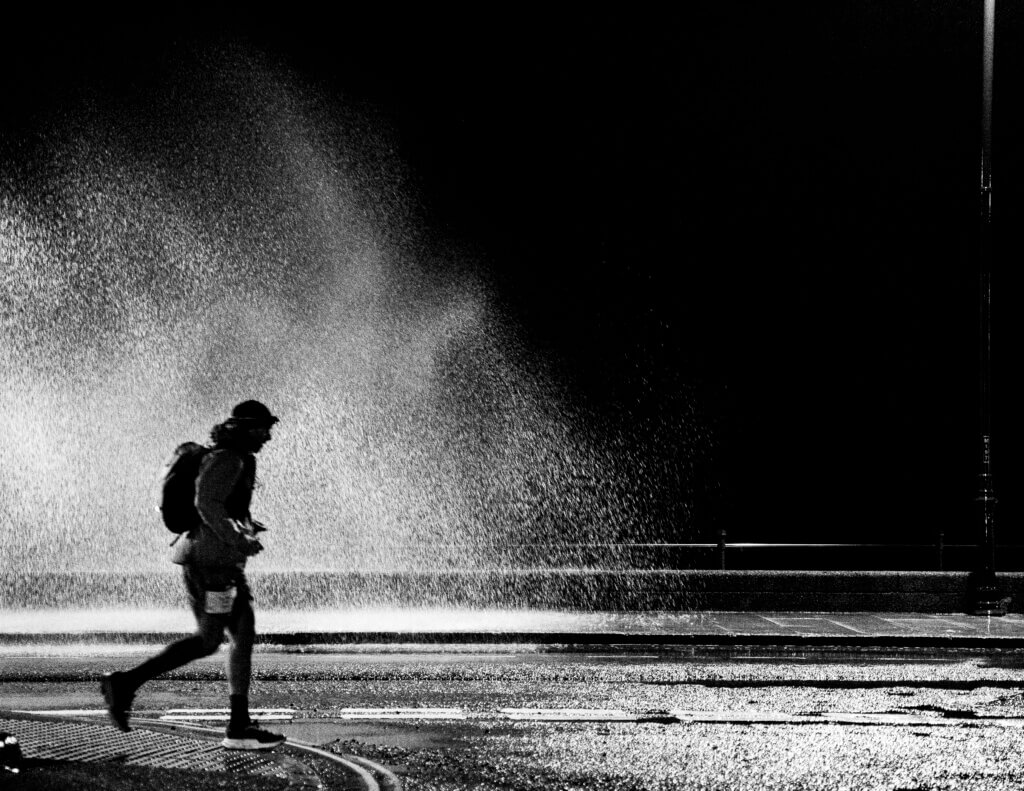
It’s easy in endurance sports to become hyper-specialised. Trail runner. Road runner. Mountain runner. But the more I think about it, the more I realise that focusing too narrowly limits us and prevents us from experiencing everything that’s on offer.
Instead of asking what discipline I belong to, maybe the better question is this:
How good an athlete can I become?
Right now, I’m trying to find the answer to that question.
And sometimes the only way to find out is to step onto a start line you’re not entirely sure you belong on.
Recommended for you