Passionate, determined, and rooted in purpose, the Eco Hero Award celebrates the people quietly, and sometimes loudly, fighting for Ireland’s wild spaces to thrive. These are the changemakers restoring habitats, reviving ecosystems, and reshaping how communities interact with the land, sea and sky around them.
This year’s nominees show that environmental action doesn’t need to be grand or global to matter. It begins in gardens, woodlands and wetlands, expands to rivers and coastlines, and ripples outward to touch entire communities. Whether planting native forests, restoring damaged bogs, monitoring underwater ecosystems, or empowering neighbours and schoolchildren to rewild their own patch, each Eco Hero proves that the future isn’t something we wait for — it’s something we build.
From urban balconies buzzing with pollinators to rural hills being returned to native life, their work carries a hopeful truth: when people care deeply enough, nature recovers — and takes us with it.
The Outsider Awards take place on 11 February 2026 at The Helix, Dublin, proudly supported by Sport Ireland, Craghoppers, Outwest Clothing, Mountaineering Ireland, and NowCoco Drinks.
BOOK TICKETS NOW
You can vote for your favourite Eco Hero in the Audience Choice Award
VOTE NOW
Jack Morley
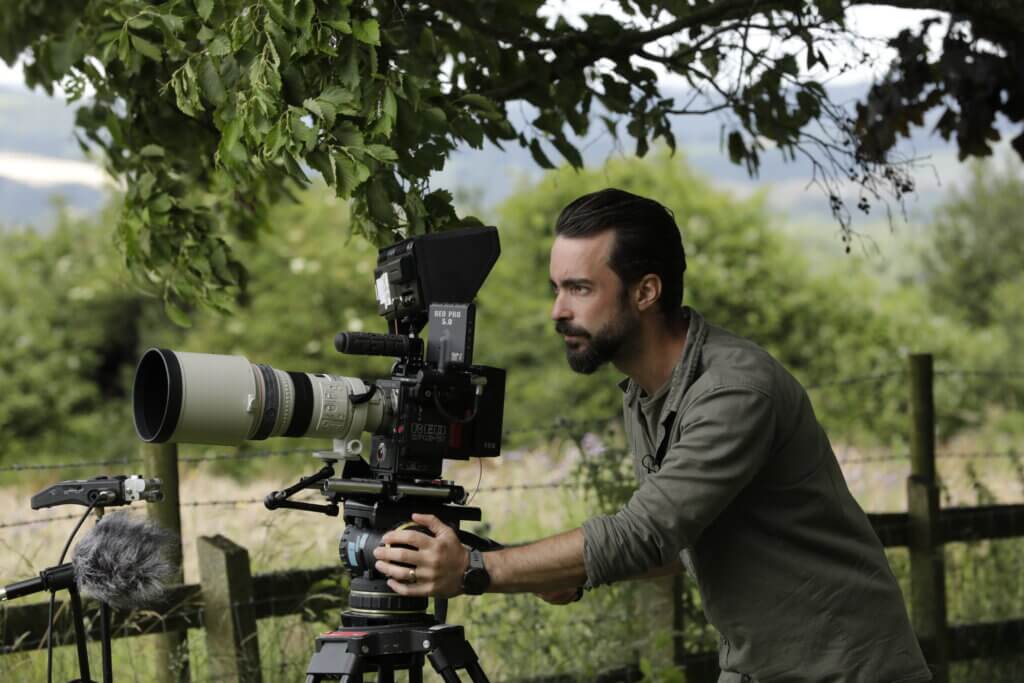
Jack Morley (38) from East Wicklow is the creative force behind The Rewildlife, a project that began as a personal journey to restore five acres of land and document his progress. What started as a way to learn and reflect quickly became a source of inspiration for others, connecting a growing community of nature enthusiasts across Ireland. With a background in advertising and communications, Jack uses his skills to tell the stories of Irish ecologists, landowners, botanists, and volunteers, showcasing the tireless work being done to protect and restore nature.
Jack believes that Ireland’s disconnection from the natural world is a pressing issue, and he wants to change the way people engage with it. Traditional nature media is valuable, but he sees huge potential in reaching a wider audience through social media, YouTube, podcasts, and creative collaborations, meeting people, especially young people, where they already are.
One of Jack’s most memorable moments in 2025 came when he set up 4K trail cameras along a river running through his rewilding project. The first footage revealed wild otters chasing fish and a pine marten exploring the banks, capturing nature in its rawest, most magical form. Jack continues to document these encounters, inspiring others to connect with wildlife, take action for biodiversity, and remember that even small efforts can make a big difference.
Katriina Bent
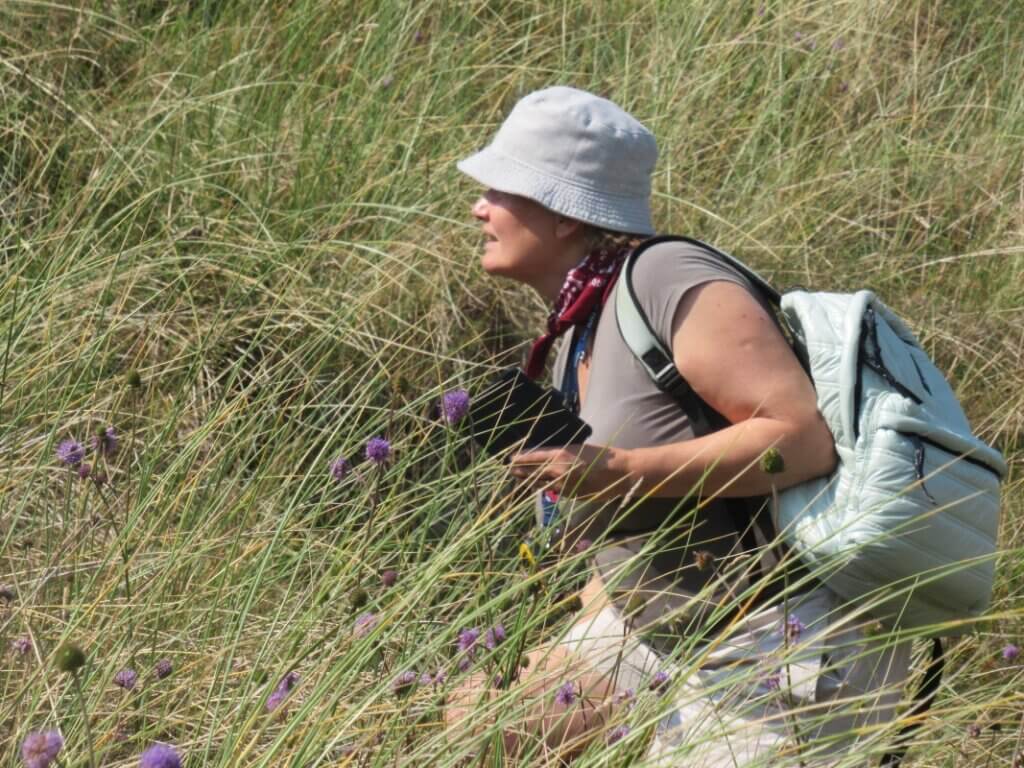
Katriina Bent’s journey into grassroots coastal action began with coincidence, curiosity, and a cup of coffee! A chance overheard conversation in a Tramore café led her into the heart of the Tramore Eco Group (TEG), a dedicated community of volunteers working to protect the Sand Dunes and coastline they call home. TEG needed ecological expertise; Katriina brought it, sparking a collaboration that continues years later, still fuelled by weekly beach cleans, shared purpose and, fittingly, shared coffees.
Katriina’s work blends professional ecological knowledge with hands-on community action. In 2025, her focus centred on the Tramore Sand Dunes, one of Ireland’s most important biodiversity hotspots. Working side-by-side with volunteers in all weather, she helped lead large-scale restoration efforts. She helped by installing sand fencing, stabilising dune systems, and planting Marram grass to protect against erosion and biodiversity loss.
Education sits at the heart of Katriina’s impact. Through Heritage in Schools, she teaches hundreds of students every year, leading field trips and classroom sessions where “nature is the expert, and we share the learning.” Eco walking tours, youth surf collaborations, Transition Year volunteering and weekly clean-ups all form a gateway for young people and locals alike to connect with their coastline.
For Katriina, conservation is powered by community. Her message is simple: find your tribe, or build one.
Harrison Gardner
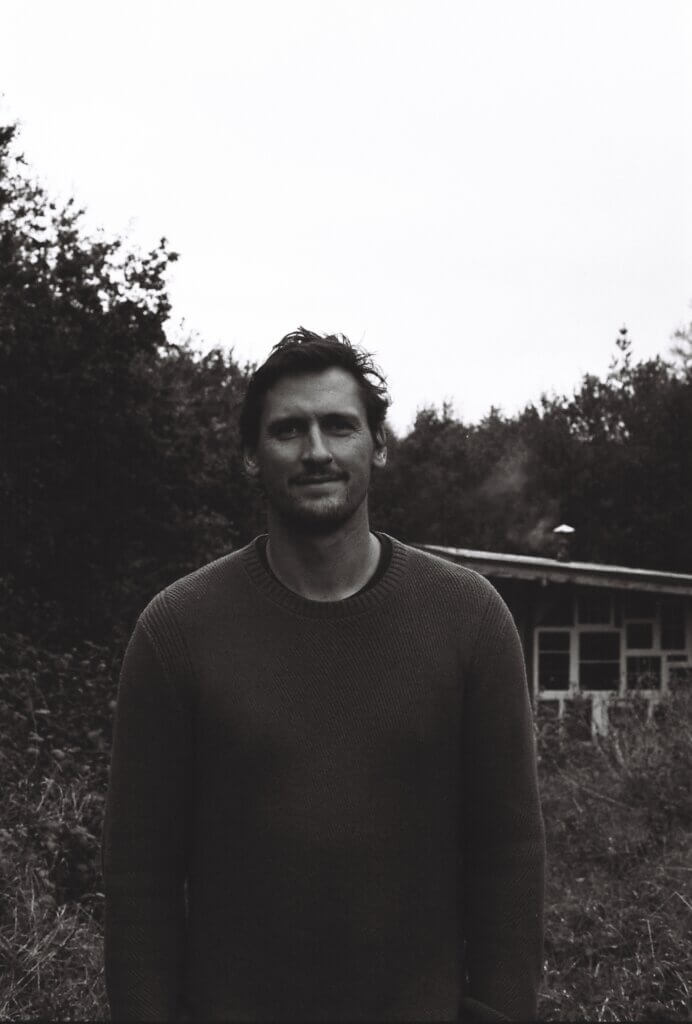
In 2025, Harrison Gardner continued to push the boundaries of sustainable living in Ireland, combining practical self-build projects with education, advocacy, and media outreach. As the presenter of Build Your Own Home Season 2 and founder of Common Knowledge, Harrison has spent the year inspiring people to take ownership of their homes, their skills, and their environmental impact.
For Harrison, sustainability is not about buying the “right” products; it’s about reducing reliance on consumption, learning new skills, and building self-belief. Through hundreds of courses at Common Knowledge, participants from all walks of life have gained the knowledge and confidence to tackle construction projects, empower themselves, and approach their homes with creativity and independence. Every workshop is a step toward proving that building and repairing one’s own shelter is instinctual, rewarding, and accessible to everyone.
Build Your Own Home has also played a transformative role, highlighting the variety of materials and approaches available for eco-building, and challenging the idea that there is a single “right way” to build. Harrison’s work shows that sustainability isn’t just about materials, it’s about skills, resilience, and curiosity. Once people experience the satisfaction of fixing, creating, or innovating for themselves, the drive to learn more becomes contagious.
Looking ahead, Harrison is focusing on projects that address housing affordability while maintaining environmental responsibility. Following the release of his book Our Homes: Other Ways to Solve the Housing Crisis, he aims to create solutions that ensure homes are sustainable, accessible, and empowering for generations to come. Through his vision, teaching, and advocacy, Harrison Gardner demonstrates that true sustainability is a balance of creativity, community, and personal empowerment.
Green Ocean Foundation
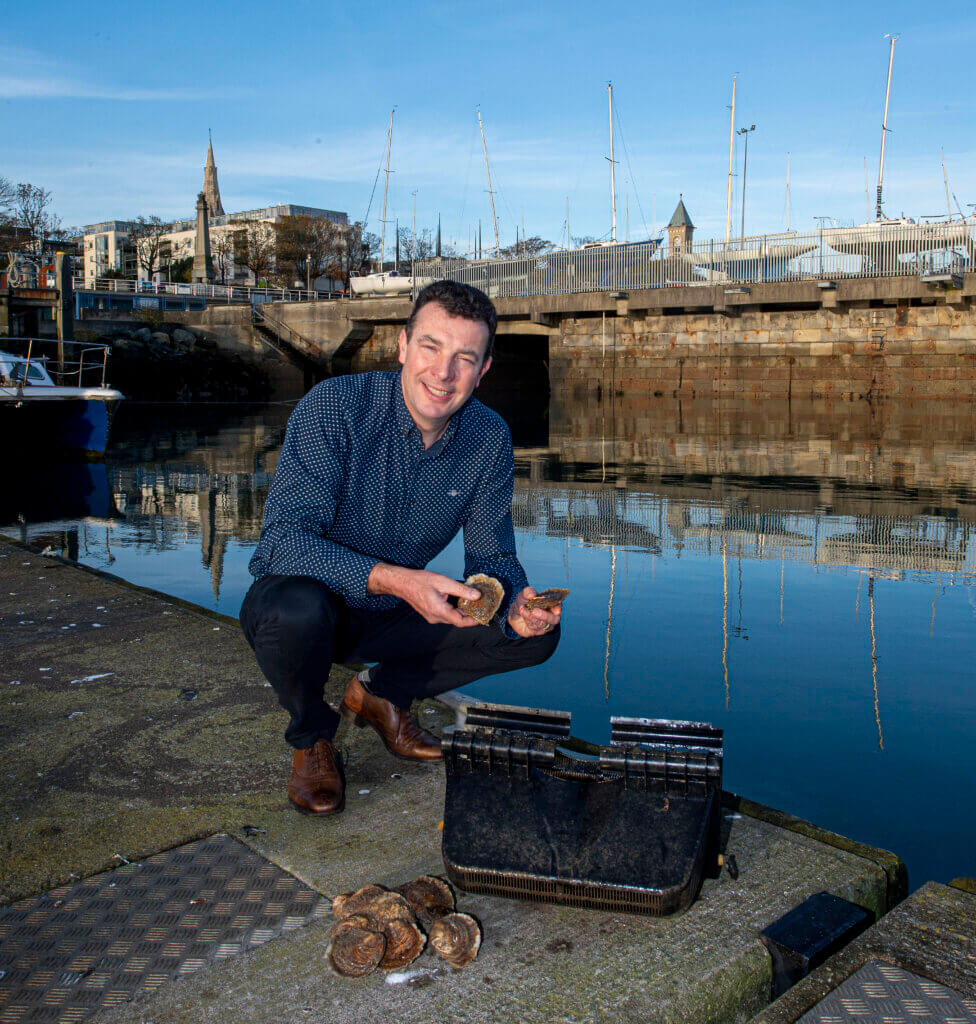
Green Ocean Foundation is an Irish not-for-profit dedicated to restoring and protecting coastal and marine habitats through hands-on, science-driven conservation. The initiative began in 2021 with a small oyster restoration project in Clew Bay and expanded into Dublin Bay in 2023 with pilot sites in Dún Laoghaire, Malahide, and Poolbeg. Early trials proved the resilience of native oysters and inspired the formal establishment of the foundation, which now combines ecological restoration with community engagement and education.
In 2025, Green Ocean scaled up its impact, deploying 18,000 native oysters in Dún Laoghaire to create a biogenic reef under the guidance of DCU Water Institute, measuring biodiversity, water quality, and pollution reduction. Native oysters serve as natural “climate heroes,” filtering water, supporting marine life, and helping coastal ecosystems recover. Each project combines scientific rigour with volunteer participation, bringing people together to learn, act, and connect with the marine environment.
A standout moment came during the Dún Laoghaire deployment, when thirty volunteers worked in unison to place thousands of oysters in floating baskets. Despite the cold, rain, and physical challenge, the day embodied the foundation’s mission: community, purpose, and tangible impact on Ireland’s oceans.
Green Ocean continues to grow, with plans to expand in Malahide, launch new pilots along the Wicklow coastline, and explore local oyster spawning projects. Through restoration, research, and hands-on involvement, the foundation is rebuilding marine life while inspiring the public to care for Ireland’s coastal heritage.
Brian Murray of MicroWild
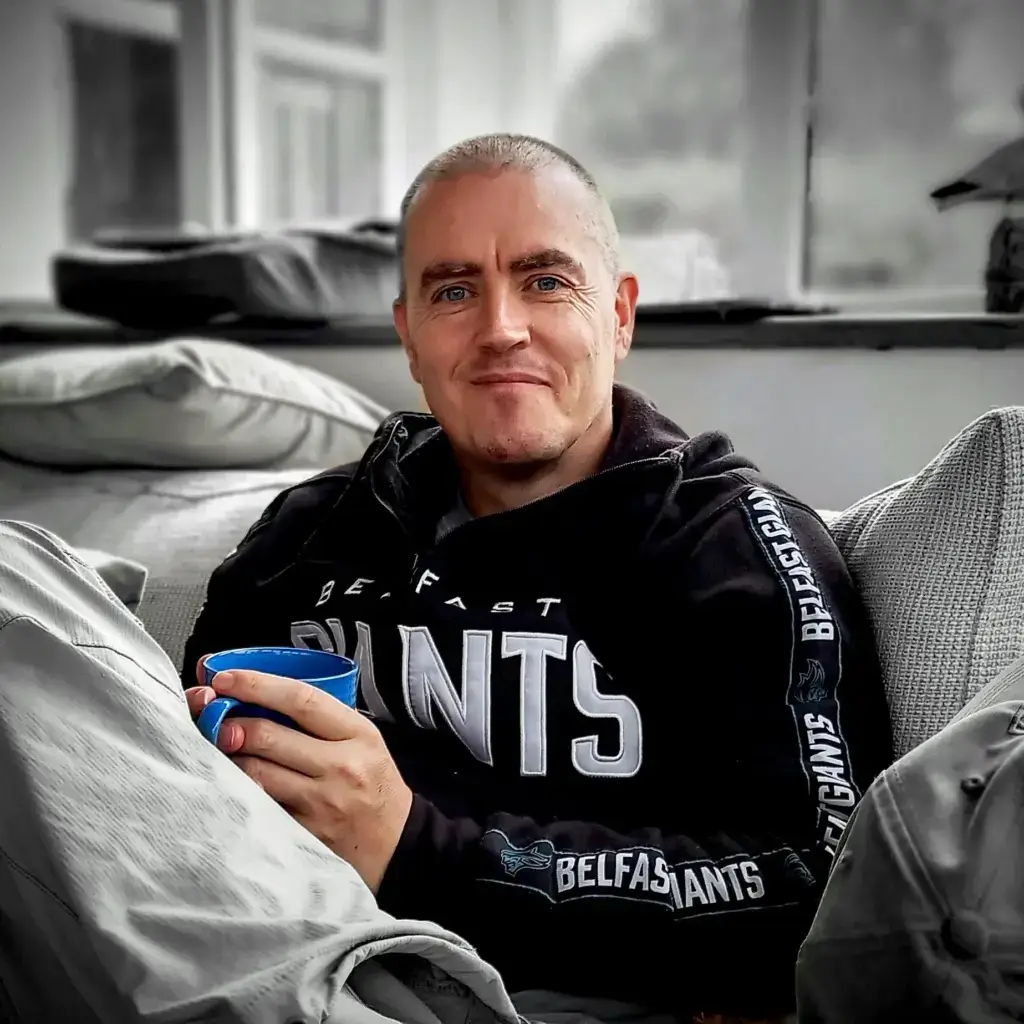
Brian grew up fascinated by bugs, not just bees and butterflies, but the tiny, hidden invertebrates most people never see. What began as a personal project to support native wild bees quickly spiralled into an obsession with hoverflies, wasps, pseudoscorpions, woodlice, terrestrial flatworms and dozens of other miniature wonders living quietly beneath our feet.
microWild was born from a simple belief: invertebrates are the foundation of every ecosystem. They pollinate, cycle nutrients, support food webs and make all other wildlife possible, yet they remain largely invisible and misunderstood. Brian set out to change that, turning curiosity into education through hands-on workshops, family bug hunts and guided sessions designed to help people discover biodiversity up close.
2025 was a breakthrough year. Brian worked with close to 250 people through live workshops, webinars and talks, including a milestone session, Irish Beetles for Beginners, that drew participants from across the country. He was even invited to speak to third-year Zoology students at Trinity College Dublin, sharing Ireland’s overlooked invertebrate diversity with the next generation of scientists.
Looking ahead, Brian is working toward hosting West Wicklow’s first Festival of Invertebrates, in collaboration with Professor Jane Stout and the Royal Entomological Society, as part of Insect Week. It will be a celebration of bugs, learning, and the people who care enough to look closely. Brian Murray’s mission is simple: help people see the tiny life they’re walking past, and inspire them to protect it.
Killarney Mountain Meitheal
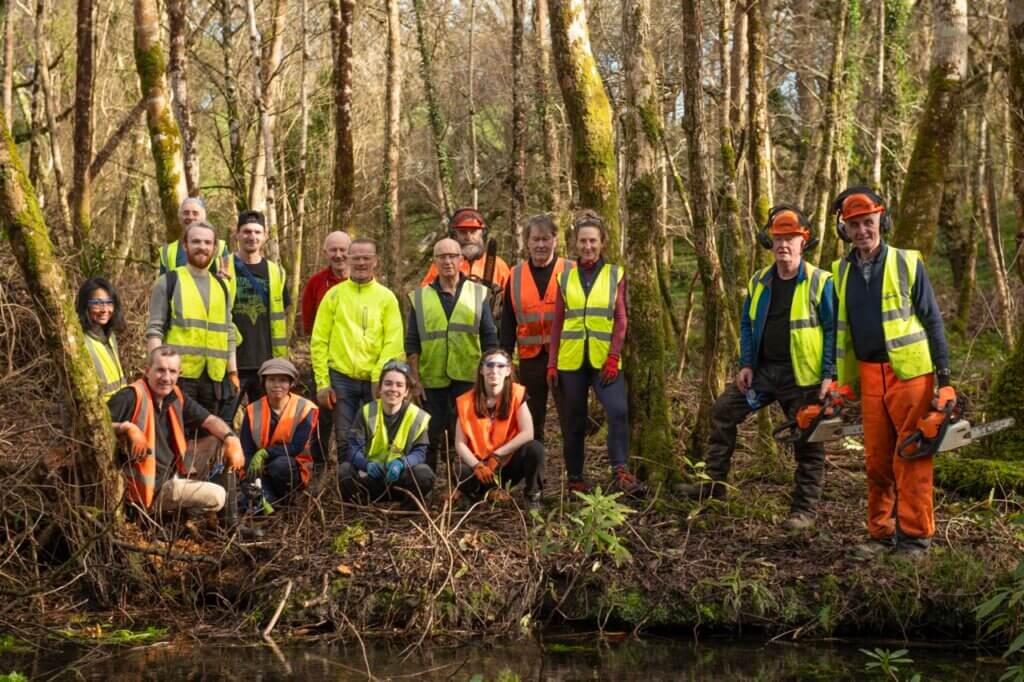
Killarney Mountain Meitheal is a volunteer-powered conservation force working to restore the native woodlands of Killarney National Park by tackling one of Ireland’s most damaging invasive species, Rhododendron ponticum.
Formed in 2014 through a partnership between local volunteers, Muckross House and the National Parks and Wildlife Service, the Meitheal has grown into a national example of community-driven environmental action. Led by retired National Park ranger Peter O’Toole and community organiser Johnny Maguire, the group follows a five-phase eradication plan designed to permanently remove rhododendron, open the forest floor to sunlight, and restore native biodiversity.
Volunteers, ranging from students to retirees, locals to international supporters, meet twice weekly from October to April, contributing thousands of hours to clearing mature stands, injecting stems to stop regrowth, monitoring seed banks and returning regularly to ensure the ecosystem recovers. Working acre by acre, they have restored significant woodlands including Abbey Wood, Blue Pool Wood and Dromrower, with additional projects around Torc Waterfall, Monks Wood and Dinis.
The Meitheal’s work is crucial: rhododendron smothers ancient oak woodland, blocks natural regeneration and drives the loss of birds, mammals and invertebrates. By removing it, the volunteers are effectively “lifting the veil” from the forest, allowing Ireland’s oldest surviving woodlands, and all the wildlife they support, to breathe again.
Today, with nearly 200 volunteers on their roster, Killarney Mountain Meitheal stands as proof of what happens when a community comes together for the land it loves, protecting one of Ireland’s most precious national ecosystems, tree by tree.
Trailbreaker LTD
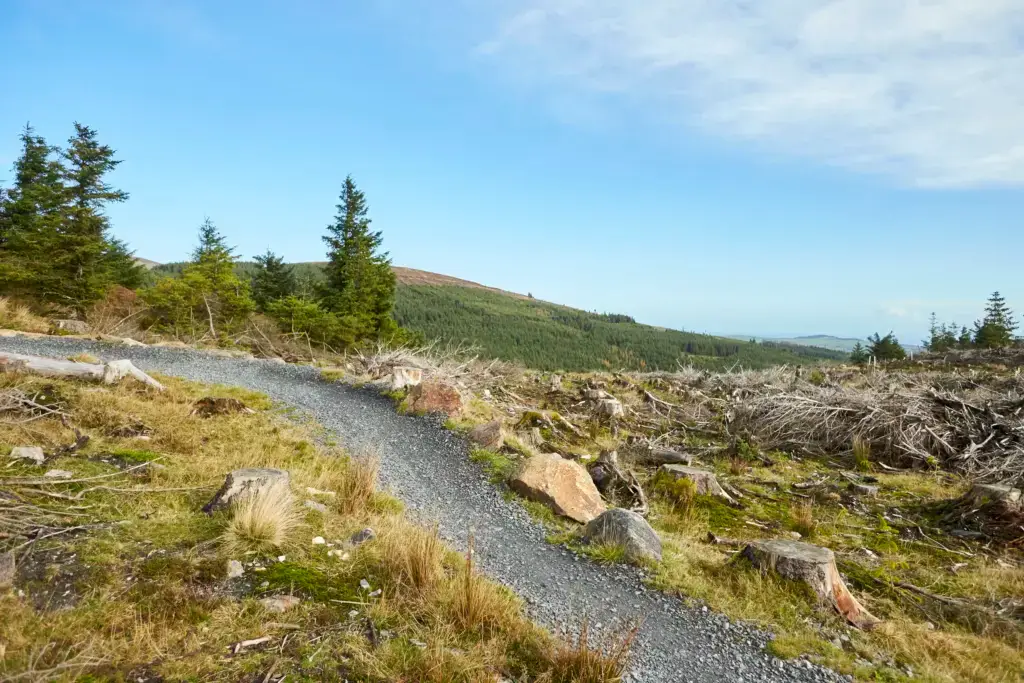
In recent years, Trail Breaker have quietly become a key force in how outdoor infrastructure and conservation work is approached in Ireland. Emerging initially from the mountain biking world, the organisation began by building pump tracks and mountain bike infrastructure, practical, community-focused projects rooted in a deep understanding of how people move through outdoor spaces.
A significant evolution came with their involvement in larger-scale projects, including work on Sugarloaf and later the Spinc, where Trail Breaker were part of a wider team combining experience, craftsmanship, and fresh energy. Working alongside highly respected figures such as Matt McConway and Frank McMahon, Trail Breaker brought a blend of skilled manual work and enthusiasm, creating a dynamic collaboration between seasoned practitioners and younger builders.
Founders Dáithí and Seán arrived with strong foundations of their own, including formal training in traditional skills such as dry stone walling. That grounding, paired with on-the-ground learning from more experienced conservation workers, shaped an approach that values both heritage techniques and modern environmental needs. The result is work that is functional, durable, and sensitive to the landscapes it serves.
Beyond contracts and construction, Trail Breaker’s ethos is rooted in care, for the land, for how people access it, and for the communities connected to it. Their journey from mountain bike infrastructure toward broader conservation projects reflects a growing commitment to sustainable outdoor interaction.
As they look ahead to further projects, including potential future work with NPWS, Trail Breaker represents a new generation of outdoor practitioners: skilled, passionate, and deeply invested in protecting the environments they help people experience.
John Gallogly
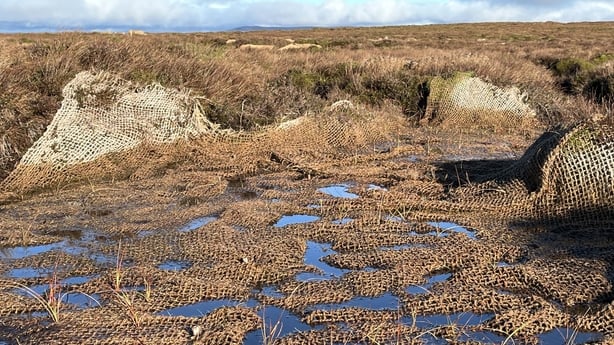
John Gallogly is leading large-scale wetland restoration on Bencroy Mountain in Co. Leitrim, transforming a former coal mining site into a European case study for blanket bog recovery. Working closely with 38 local farmers, he combines scientific expertise with practical solutions, using coir logs, geotextile mats, and habitat management to reduce carbon loss, improve water quality, and restore the natural landscape. John’s work not only benefits the environment but also supports farmers through improved ACRES scores, demonstrating how nature-led restoration can create lasting impact for communities and ecosystems alike.