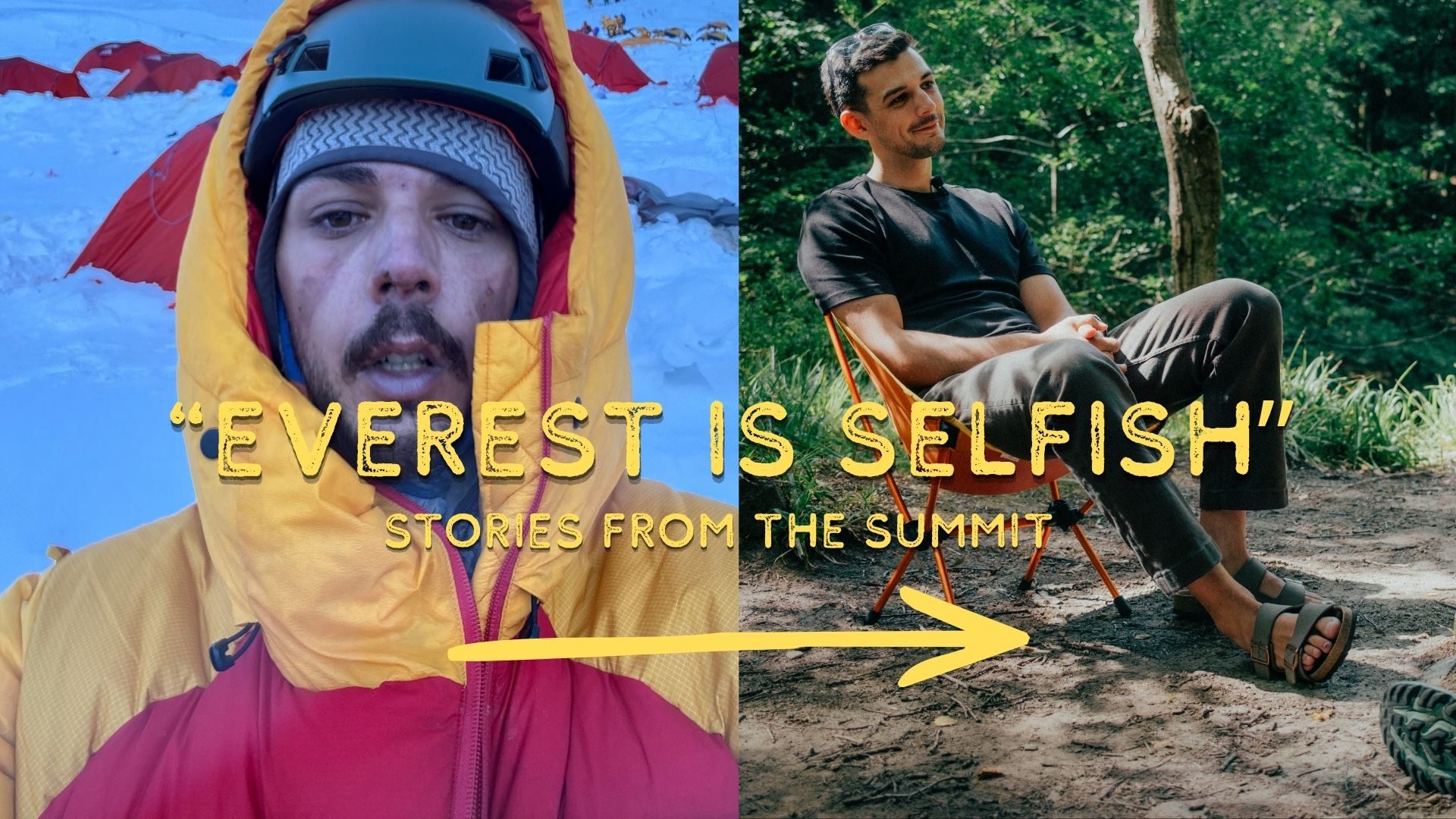
Stories From Mount Everest: Éanna McGowan on Risk, Responsibility and Reaching the Summit
2026 Mount Everest summiteer Éanna McGowan reveals the reality behind his expedition, from the risks faced by Sherpas to the ethics, sacrifices and consequences of climbing the world’s highest mountain.
“Everest is selfish. There’s probably no way of dressing it up.”
When Éanna McGowan set out to climb Mount Everest, he understood that the expedition would demand years of preparation, months away from home and almost everything he could afford to invest in it. He also knew that his decision would affect far more people than just himself.
In this episode of The Outsider Podcast, Éanna joins us for an unusually open conversation about what it really means to pursue the summit of the world’s highest mountain.
We explore his journey from playing hurling and Gaelic football to ultrarunning and high-altitude mountaineering; the physical and mental demands of an Everest expedition; and the complicated ethical questions surrounding commercial climbing in Nepal.
From the Kerry Way to Mount Everest
Éanna’s journey towards Everest began with endurance sport.
After growing up playing team sports, he moved into triathlon and ultrarunning, where success—or failure—felt more directly connected to his own preparation. Races such as the Kerry Way Ultra allowed him to discover how far he could push himself.
That same curiosity eventually led him towards the world’s highest mountains.
“We can always run further. You can lift heavier and you can run faster, but you can’t climb higher than Everest.”
Before attempting Everest, Éanna gradually built his experience on mountains including Kilimanjaro, Aconcagua, Mont Blanc, the Matterhorn and Denali. Everest was not his introduction to altitude. It was the culmination of several years spent learning how his body and mind responded in increasingly demanding environments.
He originally planned to approach Everest from the quieter northern side of the mountain. However, an invitation from expedition leader Jason Black offered him the opportunity to become part of the first all-Irish Everest team in approximately 20 years.
Alongside Jason, Páraic O’Hara and Adam Sweeney, Éanna travelled to Nepal believing that the collective preparation of the team gave them their best possible chance of reaching the summit.
Waiting for Everest
Much of the popular imagery surrounding Everest focuses on the final summit ridge. Éanna’s expedition, however, was shaped just as much by waiting.
When the Irish team arrived at Base Camp, work was still underway to establish a route through the Khumbu Icefall. A huge, unstable mass of ice was hanging above the route, and the Sherpa teams responsible for fixing it were understandably reluctant to enter.
The delay stretched into weeks.
The team climbed nearby Lobuche East to continue acclimatising and later descended to Namche Bazaar to recover. Still, they had no certainty that they would ever get an opportunity to attempt Everest.
“You question yourself. You question God. You’re thinking that maybe if I had saved and gone next year, that would have been the best idea.”
When the route eventually opened, the danger felt immediate. During one of Éanna’s journeys through the Khumbu Icefall, a large section of ice collapsed shortly behind him. Climbers scattered and a helicopter arrived to assist with the response.
For Éanna, the experience transformed the icefall from an abstract risk into something frighteningly real.
Who Carries the Risk?
The Khumbu Icefall also raises one of the most difficult ethical questions surrounding Everest.
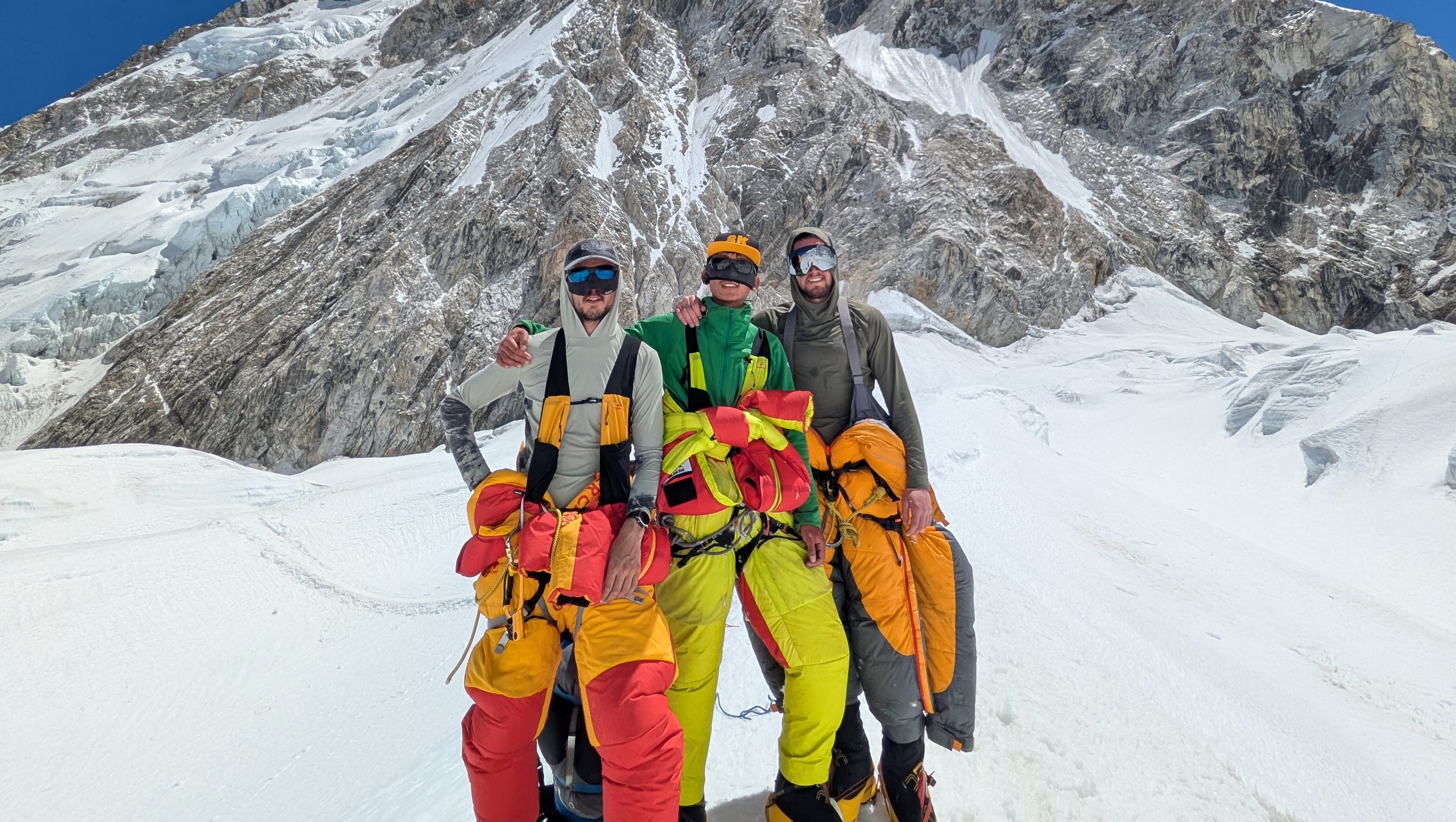
A visiting climber may cross it several times during an expedition. Sherpas can make the same dangerous journey repeatedly while carrying equipment, establishing camps and supporting international clients. Éanna’s lead guide told him that he had crossed it 34 times during the previous season.
“There is no perfect solution,” Éanna says. “I would say it is improving, but it’s never going to be perfect.”
Mountaineering provides some Sherpa families with an income far beyond what may otherwise be available in the region. At the same time, much of the physical danger involved in servicing commercial expeditions is disproportionately carried by local workers.
New technology could reduce that exposure. Drones are now being used to transport equipment across sections of the mountain, potentially removing the need for Sherpas to carry every load through the icefall.
Waste management is also changing. Climbers are required to remove what they bring onto the mountain, while expeditions can be asked to carry down rubbish left during previous seasons.
These measures do not erase the damage caused by decades of commercial mountaineering. They do, however, show that the systems surrounding Everest can evolve.
“Everest Is Selfish”
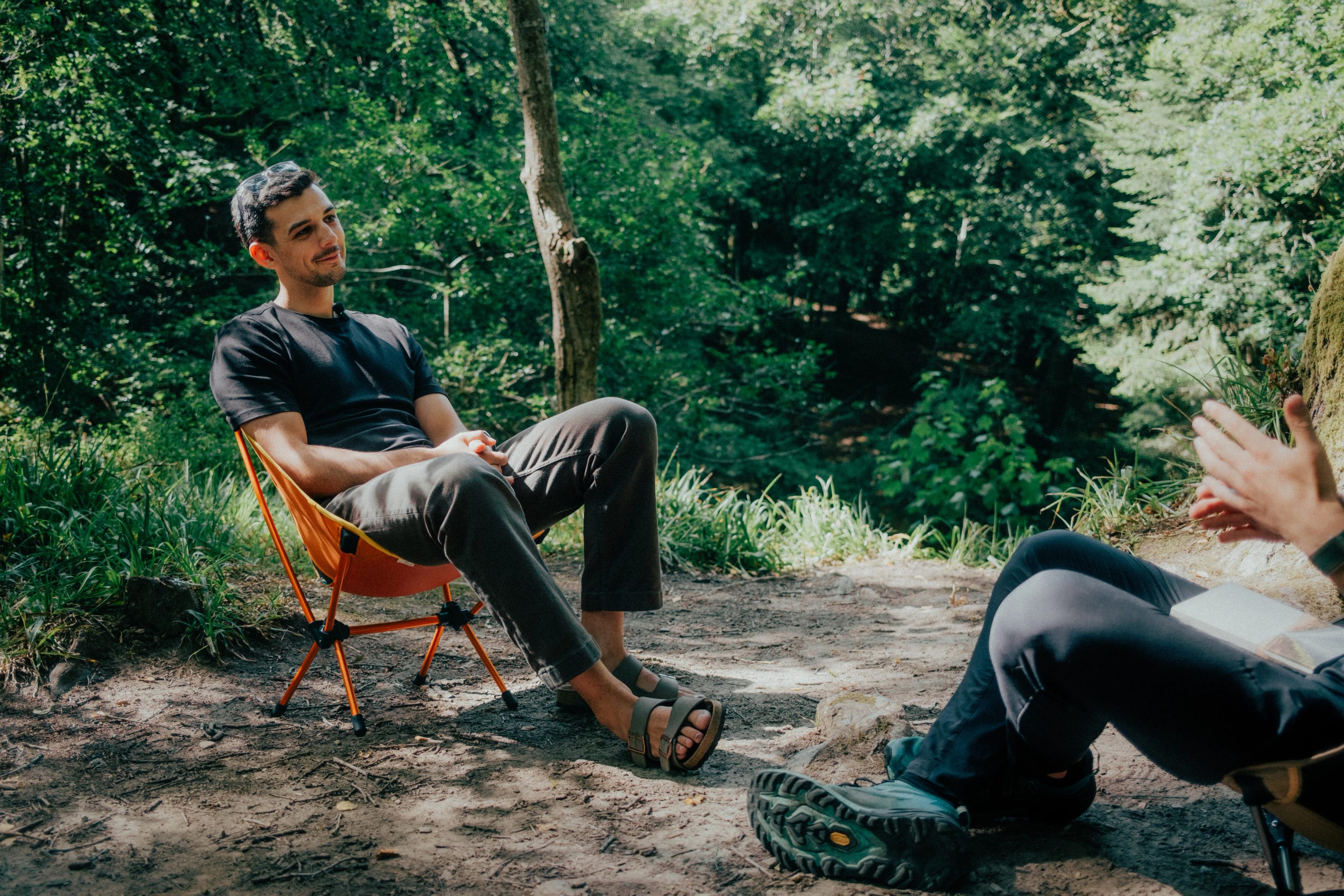
The environmental debate is only part of the story.
Attempting Everest required Éanna to commit years of training, approximately €60,000 to €65,000 and two months of his life to a deeply personal ambition. It also left the people closest to him waiting at home, knowing that an avalanche, fall or sudden change in weather could have devastating consequences.
“Everest is selfish,” he tells us. “Deciding to climb Everest for yourself, committing the money, the training and the time to chase what was my dream—selfish, absolutely. But I’m still glad I’ve done it.”
Éanna does not present that selfishness as something that can be neatly excused. Instead, he asks whether choosing to pursue something profoundly important to you can also carry value.
For him, failing to make an honest attempt would have stayed with him for the rest of his life. Going to Everest allowed him to discover what he was capable of, but it required the people around him to carry part of the emotional burden.
“I could accept the risk for myself. But you know that, regardless of how brave a face people are putting on, they’re concerned about you.”
A Second Chance at the Summit
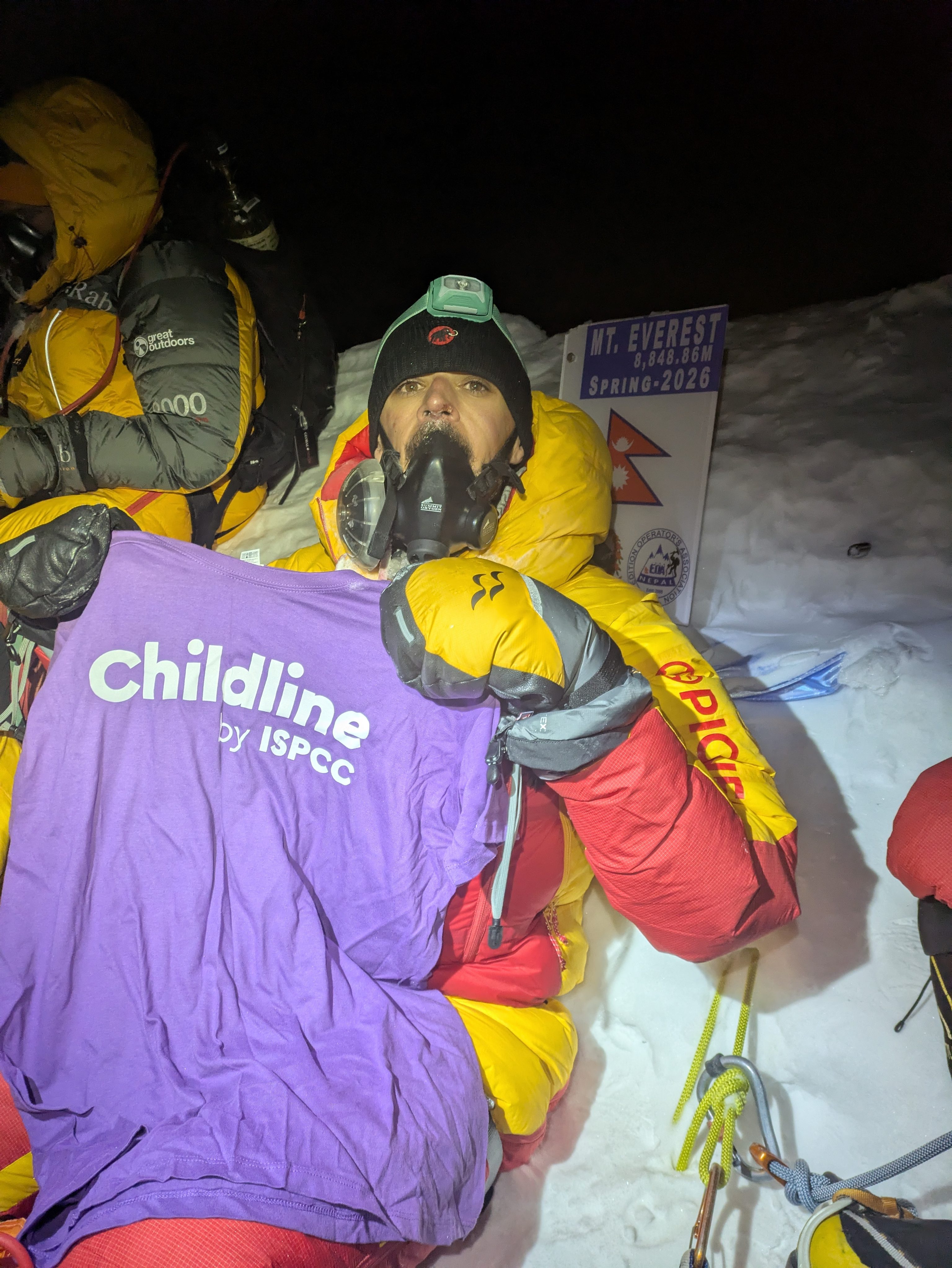
The Irish team’s first summit attempt ended several hundred metres below the top.
They left Camp Four at 8pm and climbed into severe wind and snow. Ropes were buried, the team became separated and Éanna was repeatedly sick. After hours of slow progress, they made the decision to turn around.
Back in their tent the following morning, the expedition appeared to be over.
They had spent two days above 8,000 metres. Their Sherpas were exhausted and much of their oxygen had been used. A second attempt seemed unlikely.
From Base Camp, however, Jason Black worked with the expedition team to source additional oxygen and another Sherpa. Just eight hours after returning from their failed attempt, Éanna, Páraic and Adam left the tent again.
This time, they climbed together.
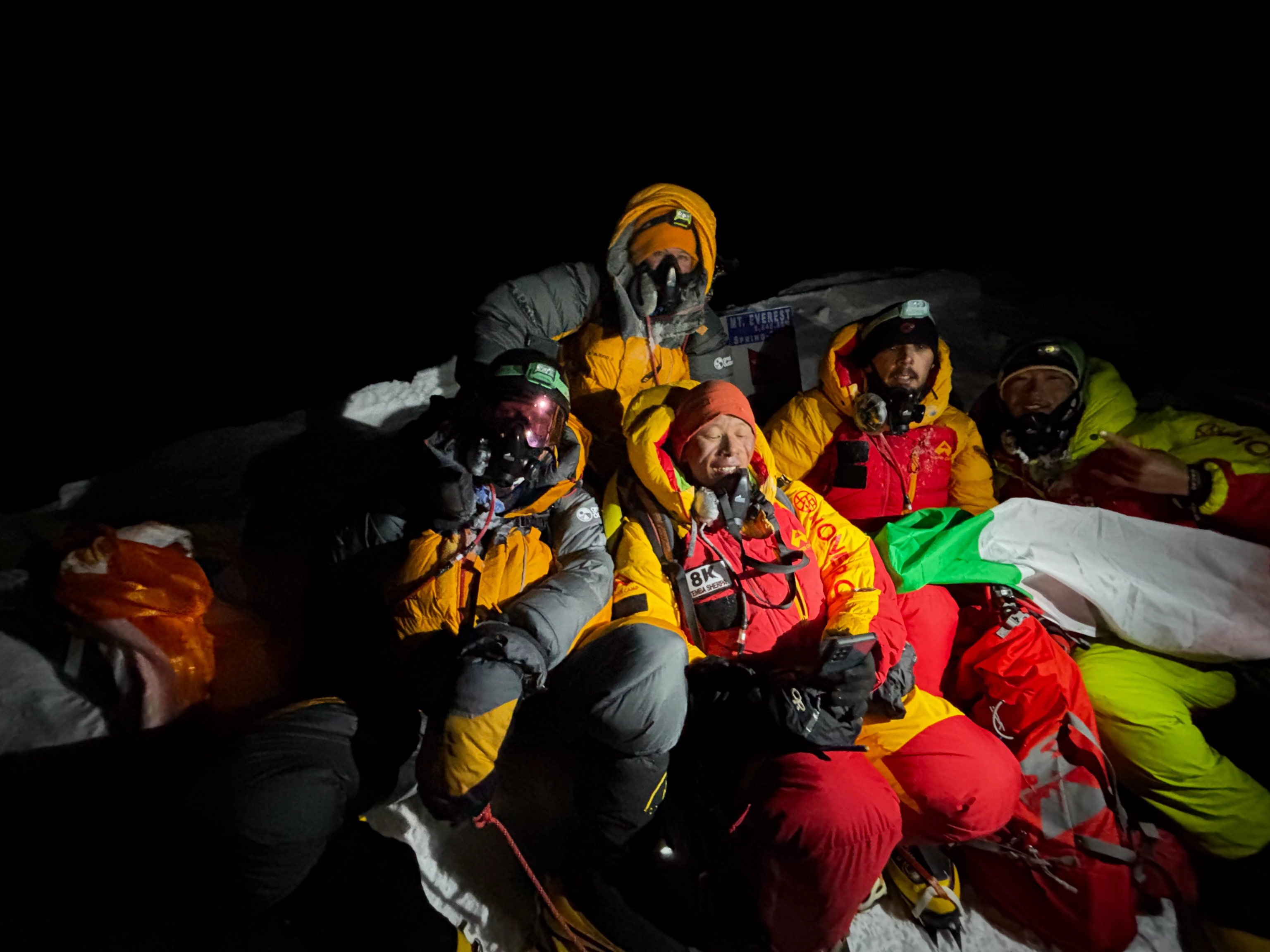
In the early hours of 20 May 2026, the three Irish climbers reached the summit of Mount Everest. They remained there for approximately 15 minutes before turning to face the descent—and the hundreds of climbers now making their way up the narrow summit ridge behind them.
The Summit Is Only Halfway
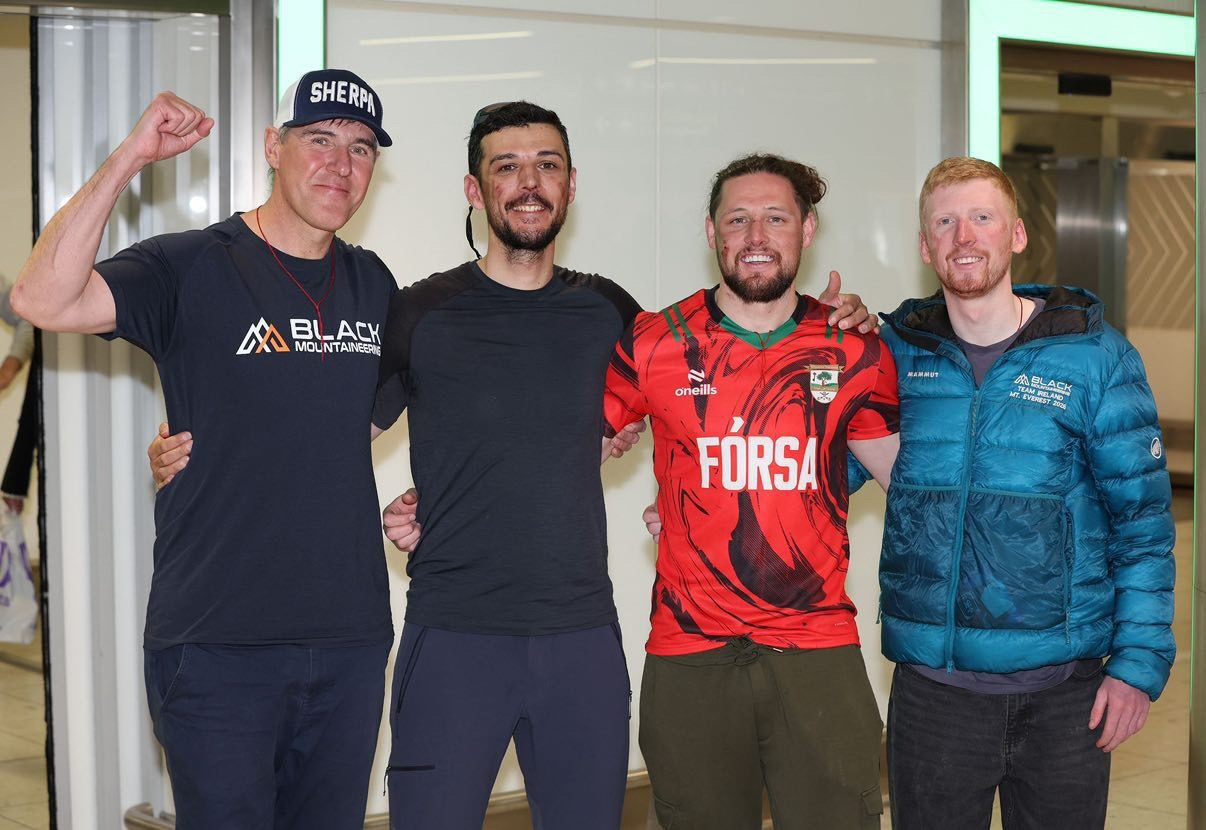
Éanna’s ordeal did not finish on the summit.
He descended much of the mountain with only one functioning crampon and reached the Khumbu Icefall late in the day, when rising temperatures were causing the ice around him to melt. A section that had been dry during their ascent had become a waterfall by the time they returned.
It was only when he finally reached Base Camp that he felt able to say the team had not only climbed Everest, but survived it.
Within days, Éanna was back in Europe. Soon afterwards, severe chest pain and difficulty breathing brought him to hospital in Switzerland. Doctors found blood clots in both lungs and pneumonia. Subsequent complications caused fluid to fill his right lung, which became septic and required surgery.
Three weeks after standing on top of the world, he found himself struggling to walk around a hospital ward.
It is a stark conclusion to an expedition that resists being reduced to a triumphant summit photograph.
This episode of The Outsider Podcast is about reaching the highest point on Earth, but it is also about everything that photograph leaves outside the frame: the waiting, the money, the labour, the waste, the danger carried by Sherpas, the fear experienced by families and the consequences that continue after a climber comes home.